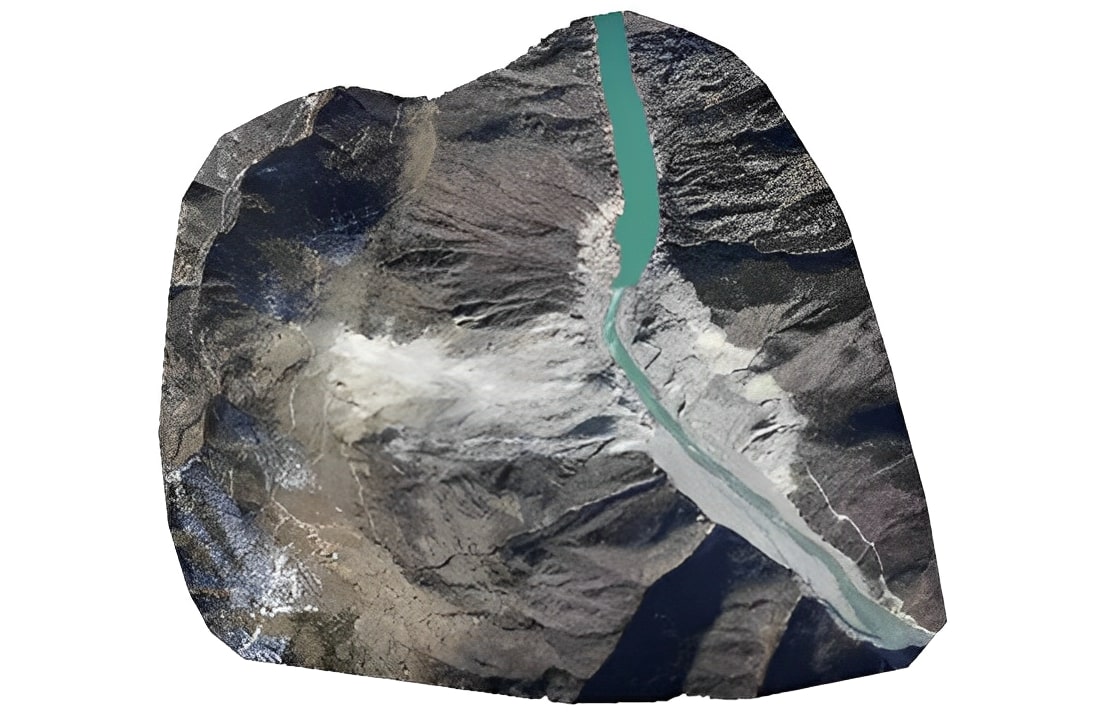
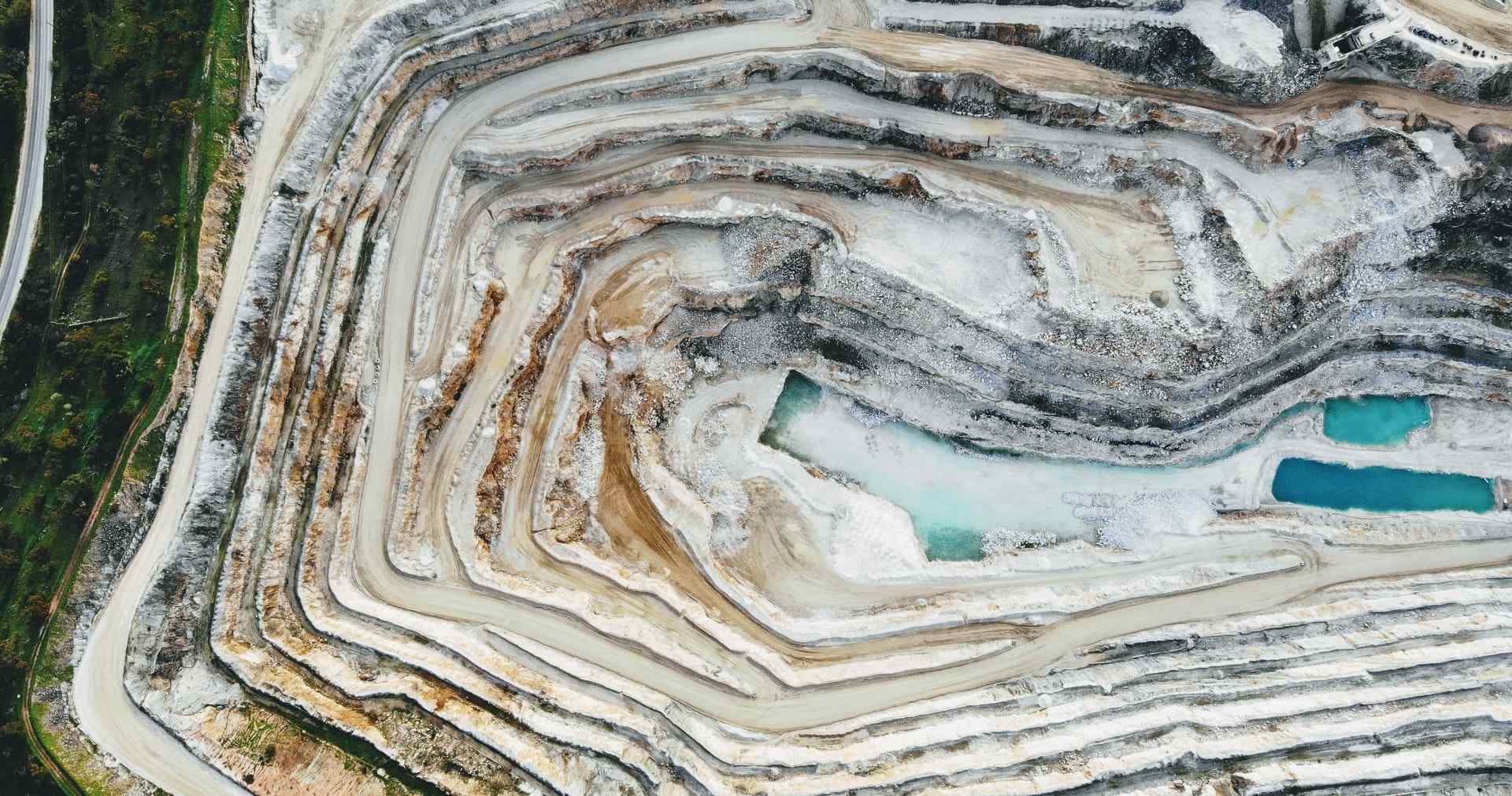
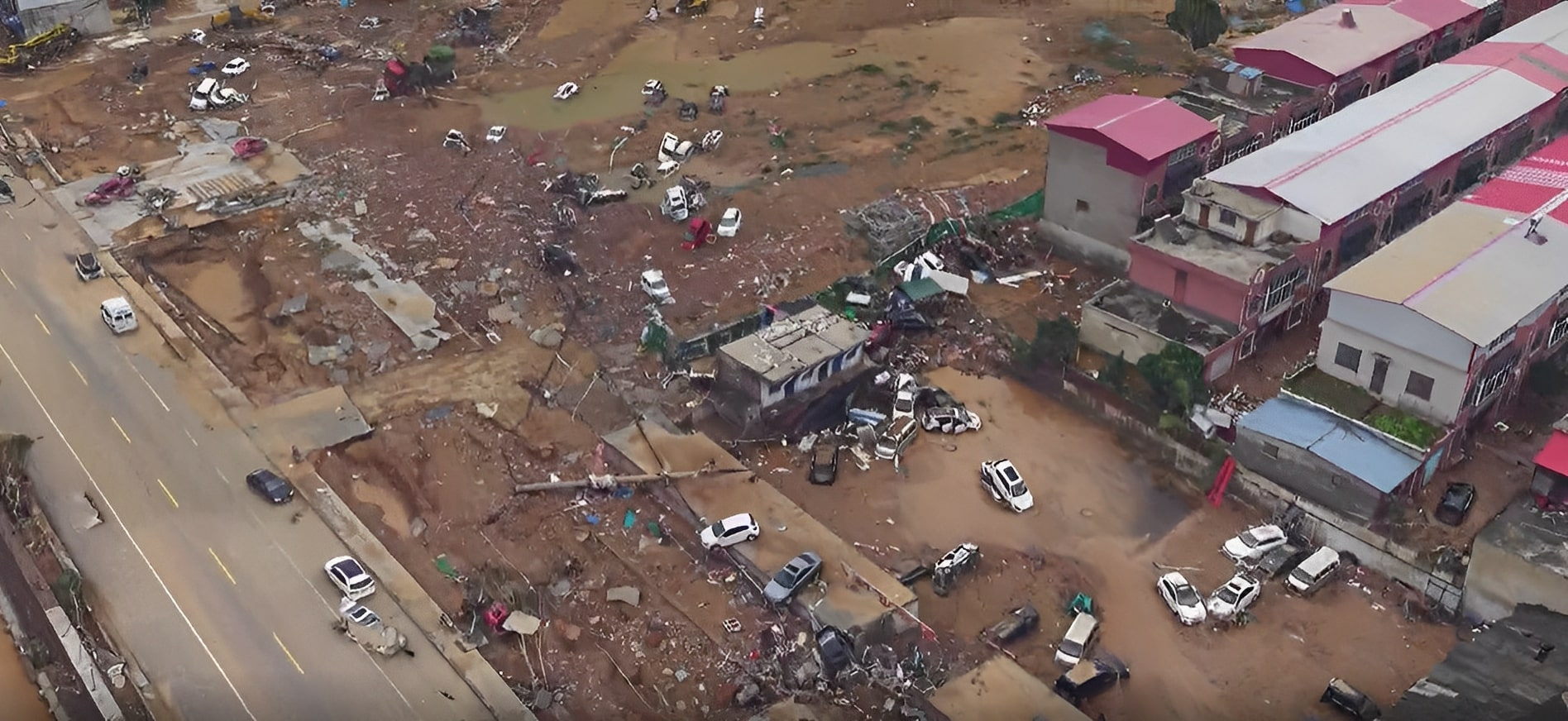
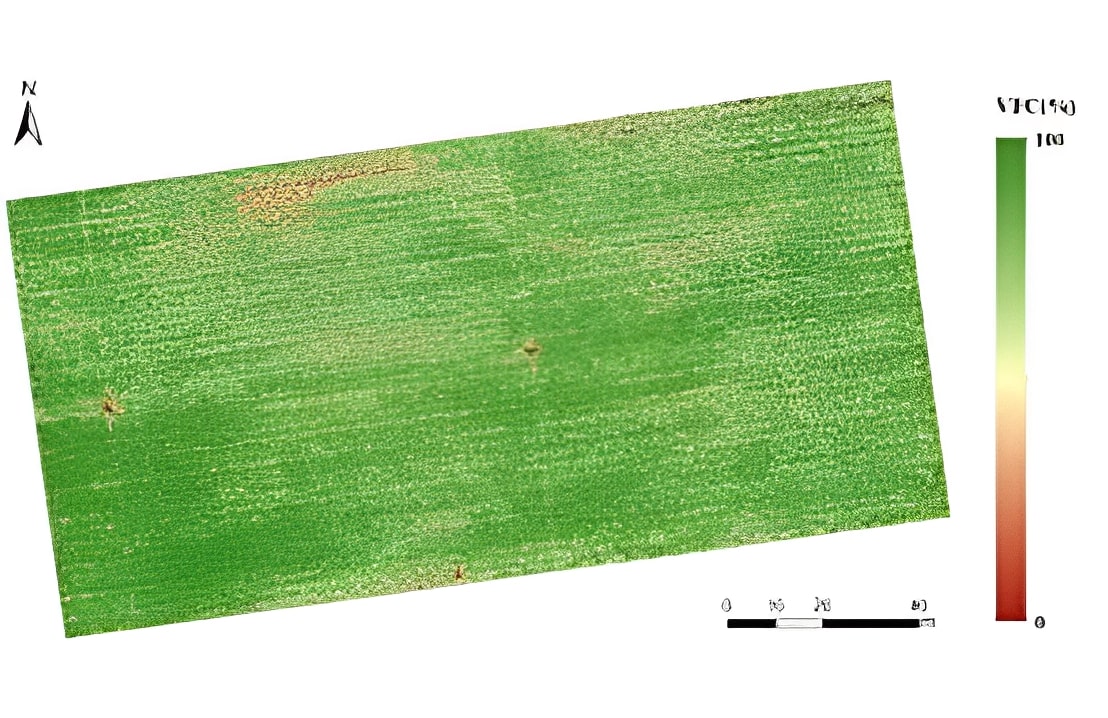
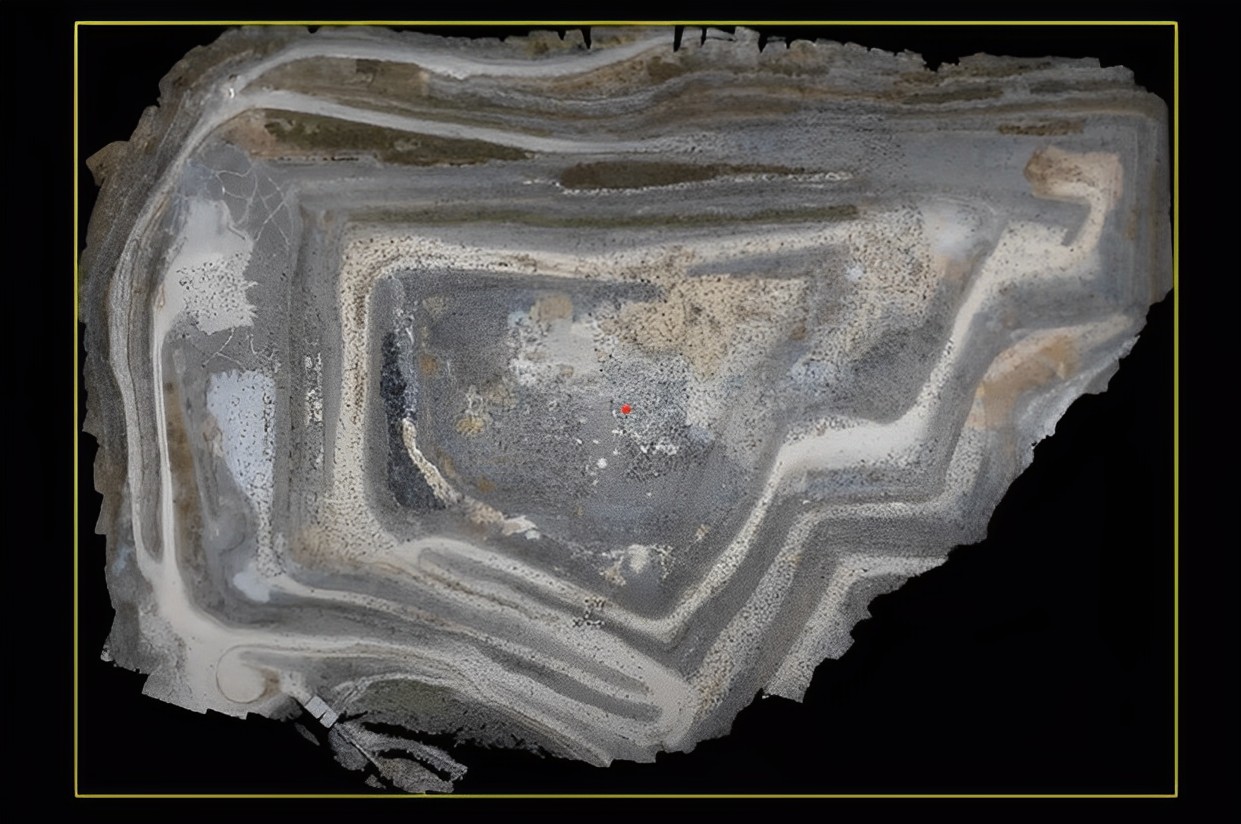
Predictive territorial intelligence at national scale

DAI-ATLAS is the software and platform layer — it evaluates, calculates, measures, and projects what is happening on the ground before anyone else knows it.

Geospatial AI with institutional traceability

Flowsint (OSINT graph) + D-Sentinel (multi-agent simulation) built into Atlas — see the graph and cascade without leaving the page.

Jump to graph desk

DAI-ATLAS · MULTI-NODE INTELLIGENCE PIPELINE

GDELT + satellite + drones + sensors + Flowsint → one Atlas probability

The territorial fusion engine observes GDELT headlines and calculates across every node at once — while Flowsint maps the digital entity graph. Atlas outputs a single auditable probability and decision brief.

Flowsint

Digital entity node

What: Neo4j graph of domains, orgs, IPs, emails, wallets — enrichers chain WHOIS, DNS, breaches in the same pipeline as field data.

For: Link a mining concession AOI to supplier digital footprint before awarding or responding to incidents.

Output: Entity nodes fed into territorial fusion — not a separate investigation export.

DAI Fusion

Multi-node fusion engine

What: Agent mesh ingests GDELT context plus live readings from satellite, VTOL, sensors, and Flowsint — calculates cross-node correlation and territorial stress, not capital-market bars alone.

For: Command rooms that need probability on infrastructure, tailings, borders, and supply chain — from heterogeneous sensors.

Output: Fused node scores → Atlas probability → decision brief with audit trail.

One pipeline, five nodes, one score

Institutional teams stop juggling tabs. GDELT seeds time context; PeruSAT/Sentinel, VTOL field sorties, terrestrial sensors, and Flowsint enrichers run in parallel. Fusion agents correlate the signals. DAI-ATLAS computes territorial probability and recommends field action — ORBIT BRIDGE within 48 h.

SIMULATION

Simulated pipeline activity

Events stream from all nodes in parallel — same rhythm as a production ORBIT BRIDGE run. Scores drift in real time until live cron replaces demo.

Multi-node event feed

  • 10:24:34 AMGDELT DOC · verified headline on mining beat — NE Concession AOI
  • 10:24:38 AMD-Sentinel · temporal correlation +3 independent sources
  • 10:24:42 AMSentinel-2 · NDVI −11% on NE slope vs 30 d baseline
  • 10:24:46 AMPeruSAT · 18% cloud — rescheduling ORBIT BRIDGE window

Active pipeline step

  1. 01
    GDELT ingest
  2. 02
    Parallel node observation
  3. 03
    Territorial fusion
  4. 04
    Atlas probability engine
  5. 05
    Decision brief
gdelt84%
satellite80%
drone46%
sensor72%
flowsint78%

Atlas decision pipeline

  1. 01
    GDELT ingest

    D-Sentinel verifies headlines; GDELT seeds time-stamped context for the AOI.

    gdelt
  2. 02
    Parallel node observation

    Satellite, drones, sensors, and Flowsint entity graph run at the same time — not sequential silos.

    flowsint
  3. 03
    Territorial fusion

    Agent mesh correlates cross-node signals from GDELT + field + digital graph — not market bars alone.

    mirofish
  4. 04
    Atlas probability engine

    Unified territorial score — tailings risk, infrastructure stress, escalation likelihood on one tenant.

    atlas
  5. 05
    Decision brief

    48 h ORBIT BRIDGE action list — who confirms in field, what to inspect, auditable export.

    atlas

Parallel observation nodes

All active simultaneously — fusion engine merges signals, Atlas decides.

GDELT / D-Sentinel

Temporal seed — verified headlines and geopolitical context

GDELT DOC · ASkDio brief

Satellite layer

PeruSAT-class + Sentinel change detection on AOI

ORBIT BRIDGE · ESA Sentinel

DAI-UAV / VTOL

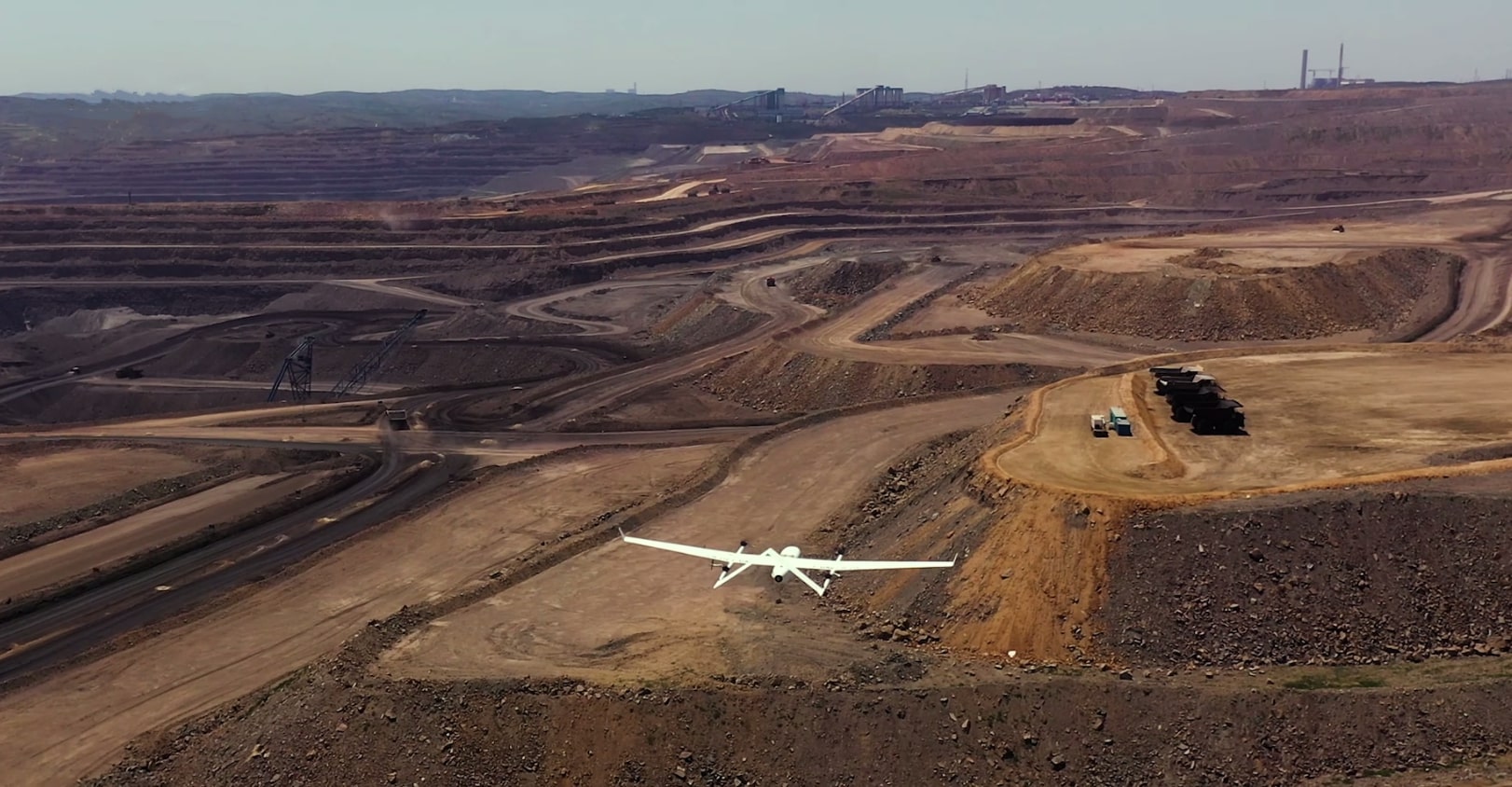
Field truth — RTK ortho, LiDAR, thermal when program includes OEM layer

CW-15 / CW-25E · mesh relay

Terrestrial sensors

IoT, seismic, weather, mesh — continuous telemetry into Atlas

SENAMHI · USGS · field gateways

Flowsint graph

Digital entities — domains, orgs, suppliers linked to the same AOI

WHOIS · DNS · org→ASN enrichers

Live fusion output

SIMULATION

Atlas territorial probability

66%

GDELT seed: Thermal anomaly at mining concession — GDELT headline correlated with vendor domain

GDELTDEMO84%

Verified headline · mining beat

SatelliteDEMO80%

NDVI change −12% on NE slope

VTOLDEMO46%

No recent sortie · schedule CW-25E

SensorsDEMO72%

SENAMHI precip ↑ · gateway OK

FlowsintDEMO78%

3 vendor entities · exposed subdomain

Recommended action: Deploy VTOL within 48 h · cross Flowsint contractor graph · raise tailings score

5 active nodes · territorial fusion · Atlas score v1

Flowsint · digital graph node

Entity relationships visible now — feeds the same pipeline as GDELT and field layers.

Open workspace ↗

Digital graph preview below — sidecar joins fusion when online.

Territorial fusion · multi-node workspace

Full workspace when sidecar runs; otherwise live fusion panel from institutional cron below.

Open workspace ↗

Fusion preview below uses GDELT + last territorial run. Start local sidecar for deep multi-node UI.

npm run flowsint:up · npm run mirofish:ready · GDELT via D-Sentinel cron

HOW DAI-ATLAS WORKS

Territorial operating system — from raw signal to decision brief

DAI-ATLAS is not a loose layer map or a market dashboard. It is an institutional pipeline that ingests temporal context (GDELT), observes territory in parallel from satellite, drones, sensors, and digital graph (Flowsint), fuses territorial signals, and delivers an auditable territorial probability plus an ORBIT BRIDGE action list within 48 hours.

Flow: ingest → parallel observation → fusion → probability → decision

1. Overview — the problem it solves

Mining teams, civil defense, infrastructure concessionaires, and border operators receive data in silos: headlines in one tab, satellite imagery in another, IoT telemetry on a separate console, digital OSINT in spreadsheets. Nothing correlates across the same AOI with audit trail.

DAI-ATLAS unifies those sources under an institutional tenant. Each run produces a territorial probability score — tailings risk, infrastructure stress, geopolitical escalation, thermal anomaly — and a brief stating who confirms in field, what to inspect, and which assets to deploy (VTOL, mesh relay, satellite window).

2. Data layers — five parallel nodes

After the GDELT seed, four observation nodes run simultaneously. They do not wait on each other: satellite does not block drone; Flowsint does not depend on SENAMHI finishing.

  • GDELT / D-Sentinel — verified headlines, thematic beats, time-stamped geopolitical context.
  • Satellite — PeruSAT + Sentinel: NDVI, cover change, cloud cover, ORBIT BRIDGE windows.
  • DAI-UAV / VTOL — RTK orthophoto, LiDAR, thermal when OEM layer is in program (CW-15 / CW-25E).
  • Terrestrial sensors — SENAMHI, USGS seismic, mesh gateways, field IoT.
  • Flowsint — Neo4j graph of domains, orgs, IPs, emails; WHOIS, DNS, org→ASN enrichers.

3. Five-step pipeline — ingest to decision

Step 1 — GDELT ingest: D-Sentinel validates headlines and seeds the base scenario with keywords and seed sources.

Step 2 — Parallel observation: each node emits telemetry, metrics, and alerts to the Atlas bus in no fixed order.

Step 3 — Territorial fusion: an agent mesh correlates cross-signals (e.g. GDELT headline + Flowsint subdomain + NDVI drop). The fusion engine does not compute market probability here — it computes multi-source territorial stress.

Step 4 — Atlas probability engine: aggregates per-node scores, applies institutional tenant weights, outputs one percentage with confidence interval.

Step 5 — Decision brief: auditable export with field recommendation, ORBIT BRIDGE 48 h SLA, and custody line.

4. Flowsint — the digital graph node

Flowsint runs as a local sidecar (Docker :5173) or institutional deploy. Enrichers chain OSINT queries on entities tied to the AOI: concession vendors, logistics domains, associated wallets.

The iframe on the Atlas desk shows the live graph; discovered nodes feed territorial fusion as additional signals, not a separate PDF export. Analysts can open the full workspace to pivot manually, but the institutional pipeline already ingested findings automatically.

5. Territorial fusion — multi-node engine

The fusion engine receives GDELT context plus readings from satellite, VTOL, sensors, and Flowsint entities. Agents simulate correlations and contradictions: if the headline mentions thermal anomaly but satellite shows no change, score drops; if precipitation sensors rise and NDVI falls, tailings score rises.

In production, the fusion sidecar writes rows to Supabase via webhook; the site only reads precomputed results (no visitor blocking). In demo, simulated activity shows the same visual rhythm as a live run.

6. Probability engine and audit

The fused score is not a simple average: each node has configurable weight by industry (mining prioritizes tailings; infrastructure prioritizes MTC + satellite). Atlas logs which sources participated, timestamps, and model version.

Every output includes auditLine — active node count, live vs demo fusion, score version. This satisfies custody requirements for concessionaires and civil defense.

7. ORBIT BRIDGE — probability to action

When score exceeds institutional thresholds, Atlas generates an action list: schedule CW-25E sortie, request PeruSAT window, activate mesh relay in dense canopy, escalate to command room.

ORBIT BRIDGE is the 48-hour commercial SLA from signing: satellite capacity + VTOL deploy + Atlas tenant integration. The intelligence desk you see here is the same logic operating in the client command center.

8. Operations — demo, sidecars, and production

Demo mode: simulated activity + sample fusion without sidecars. Hybrid: live GDELT from D-Sentinel cron + fusion panel from last Supabase simulation. Full: Flowsint :5173 + fusion sidecar :5174 + cron + webhooks.

  • npm run flowsint:up — local digital graph.
  • npm run mirofish:ready — multi-node fusion UI.
  • Cron /api/public/cron/simulate — triggers fusion run from GDELT headline.
  • Webhook simulation-result — persists verdict in Supabase for instant read.

DAI-ATLAS — intelligent territorial control platform

About DAI-ATLAS

Meet the Derteano platform behind predictive territorial control in Peru and Latam.

Learn →
6+Integrated sovereign layers
14dTypical B2G deliverables
1–3cmRTK field precision
24/7Monitoring and alerts

Interactive Andes baseline — Peru

Pan and zoom the Andes baseline. Toggle elevation (SRTM). Institutional access adds Sentinel, SENAMHI, MTC, and ACLED layers.

Loading territorial map…

  • Cajamarca
  • Cusco
  • Moquegua
  • Junín
  • Lima Pacific corridor

Who uses DAI-ATLAS?

Leading organizations in mining, infrastructure, energy, and government innovate with verified territorial intelligence.

Mining

Cajamarca mining corridor — volumetrics and risk in 14 days

DAI-ATLAS fuses Sentinel, SRTM, and VTOL field truth for Andean concessions — auditable stockpiles and slope alerts.

Institutional operators need a verified baseline before environmental audits. DAI-ATLAS delivers orthophotos, elevation models, and risk scores in one panel — without ten vendors.

Read case

Integrated data layers

DAI-ATLAS is not a map viewer. It is the intelligent control platform where sovereign data sources become actionable intelligence.

NASALive

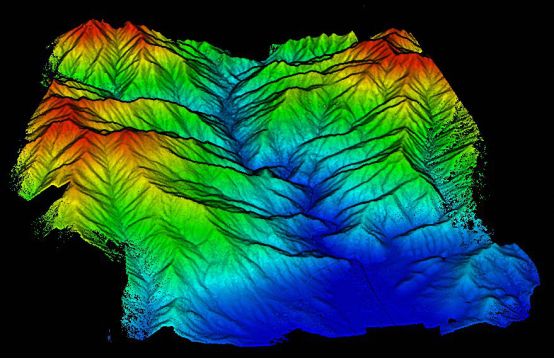
SRTM Elevation

Digital terrain model — slopes, watersheds, and Andean corridors at national scale.

ESALive

Sentinel Imagery

Multispectral change detection — vegetation, mining, deforestation, and urban expansion.

SENAMHIBeta

Peru Climate

Precipitation, temperature, and alerts — hydrological and mudslide risk in critical basins.

MTCBeta

Roads & Bridges

National road network and infrastructure assets — concessioned corridors and megaprojects.

ACLEDBeta

Conflict & Events

Geopolitical and security events — territorial context for defense and operators.

DAI-UAVLive

VTOL DAI-UAV Field Layer

Authorized OEM VTOL layer (CW-15 / CW-25E) — RTK orthophotos, LiDAR, and video when included in program; satellite intelligence from signing.

View all layers →

What DAI-ATLAS does

Evaluate

Current territorial state

Fuse satellite, climate, infrastructure, and events into a unified score per concession or jurisdiction.

Calculate

Volumes, indices, and risks

Stockpiles, NDVI, water stress, tailings scores, and erosion alerts — auditable pipelines.

Measure

Survey-grade precision

RTK 1–3 cm, 2,000 ha per flight — field validation where satellites lack daily resolution.

Project

Predictive scenarios

Claude, DAI-ATLAS, Ollama, and multi-agent swarm — projections before the event occurs.

The power of territorial intelligence — expert perspective

Article

Geospatial AI in Andean operations — automation with audit trails

How DAI-ATLAS combines local Ollama, Claude, and multi-agent swarm without losing institutional chain of custody.

Read →
Podcast

Intelligence mesh — from satellite to authorized VTOL

DAI pipeline: sovereign layers, Atlas v1beta1 API, and B2G deliverables in 14–21 days.

Listen →
Video

Territorial twin — 3D visualization for crisis rooms

Mapbox terrain + MapLibre baseline + ops layers — one truth for institutional command.

Watch →

News and platform

Product

ArcGIS place search in Atlas

Institutional geocoding integrated into the interactive map — Peru first.

More →
Platform

Atlas API v1beta1 — entities, tasks, objects

Lattice-compatible integration for engineering and operations.

More →
Data

Sovereign stack SRTM · Sentinel · SENAMHI · MTC

Public layers and OEM VTOL programs under one territorial control.

More →
Event

Institutional demo — Peru & Latam

Access to Command Center, role dashboards, and AI analysis desk.

More →

Atlas modules

Flowsint OSINT Graph

Graph investigations — domains, orgs, breaches — self-hosted Neo4j desk.

View module →

DAI Risk

Predictive territorial risk scoring — huaicos, tailings, erosion.

View module →

Infrastructure Watch

Continuous monitoring — ports, highways, transmission lines.

View module →

DAI-UAV Field Layer

Authorized OEM VTOL (CW-15 / CW-25E) — survey-grade field truth when included in program.

View module →

Technical thesis v1.0, Command Center and role dashboards — institutional access.

Enter platform →

Predictive Territorial Intelligence · Not a drone company

DAI is not a drone company. DAI is a Predictive Territorial Intelligence platform.

We unify satellites, drones, IoT sensors, AI agents, and geospatial analysis so governments, mining companies, infrastructure operators, energy companies, and defense agencies make better decisions — faster, with verified data, from any altitude.

DAI-ATLAS — intelligent territorial control system

DAI-ATLAS is the software and platform layer — it evaluates, calculates, measures, and projects what is happening on the ground before anyone else knows it.

Powered by

  • NASA SRTM elevation data
  • ESA Sentinel satellite imagery
  • SENAMHI climate data — Peru
  • MTC Peru roads and bridges
  • ACLED conflict and events data
  • VTOL UAV (CW-15, CW-25E class) — authorized OEM built to order, integrated with DAI-ATLAS
  • Claude AI — analysis and recommendations
  • DAI-ATLAS — predictive projections and swarm intelligence
  • Ollama — local AI processing
  • Multi-agent AI swarm — autonomous monitoring

Built for institutional operators

  • Ministerio de Defensa / Armed Forces
  • Mining — Southern Copper, Antamina, Buenaventura
  • Infrastructure concessionaires — roads, bridges, railways
  • Energy — transmission lines, hydro basins
  • Agricultural cooperatives — coffee, cocoa, asparagus exporters
  • Regional governments and municipalities
  • Emergency response agencies

Request institutional access to the full DAI Atlas layer stack and AI analysis desk.

Request demo